Protect Tasmania is working to build a stronger future for threatened species conservation by advancing the use of bioacoustic detection and monitoring across Tasmania.
Supported through projects funded by the Wedgetail Foundation and Natural Resources and Environment Tasmania, and delivered in partnership with organisations including Ecotec Environmental, and the Bruny Island Environment Network, this work is bringing together bird experts, researchers, landholders and citizen scientists to improve how threatened species are detected, monitored and managed.
At its core, this work is about using sound to fill some of the biggest gaps in conservation knowledge. Many of Tasmania’s threatened birds and other vocal species are difficult to monitor using traditional methods because they are cryptic, nocturnal, sparsely distributed, or occur in habitats that are hard to access. Passive acoustic monitoring offers a practical and scalable way to detect these species over larger areas and longer timeframes, while reducing the need for repeated expert field visits. By combining sound recorders, expert call identification and developing call recognisers, these projects are helping create better tools for understanding species distributions, habitat use and population trends.
Every call you identify adds to a shared resource that can improve conservation decision-making, support landholder stewardship, and build a clearer picture of where Tasmania’s threatened species occur, how populations are changing over time, and what habitats they depend on.
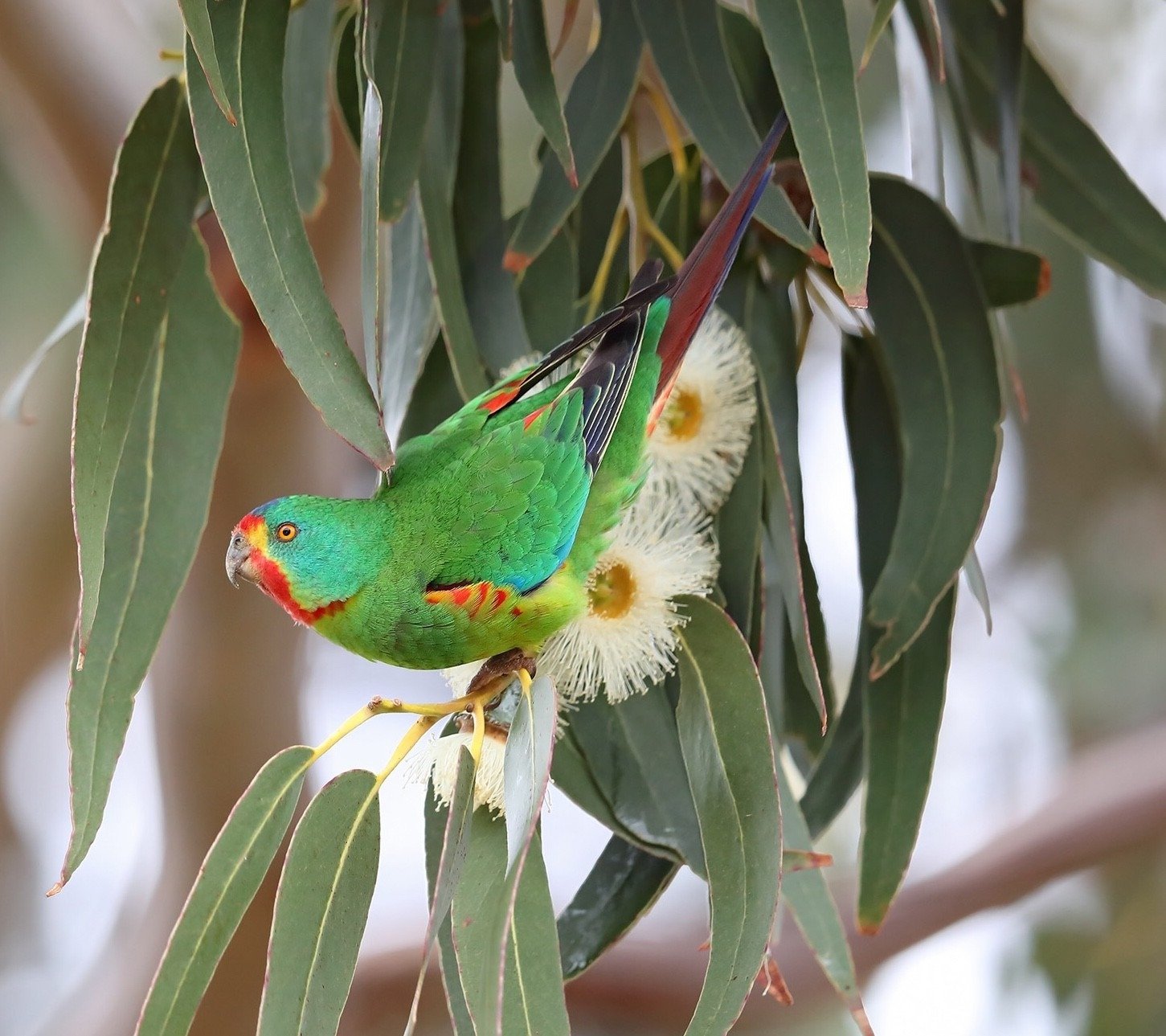
Research Objectives
By helping identify Tassie’s priority bird calls, you’re contributing to a growing library of acoustic data that:
- Better defines Tasmania’s priority species for acoustic detection and long-term monitoring
- Improves our understanding of Tasmania’s endemic species, subspecies and regional dialects
- Helps artificial intelligence training datasets
- Contributes to conservation initiatives involving threatened species, declining communities and habitat under threat
- Encourages landholders to deploy acoustic sensors on private land
Meet the Team
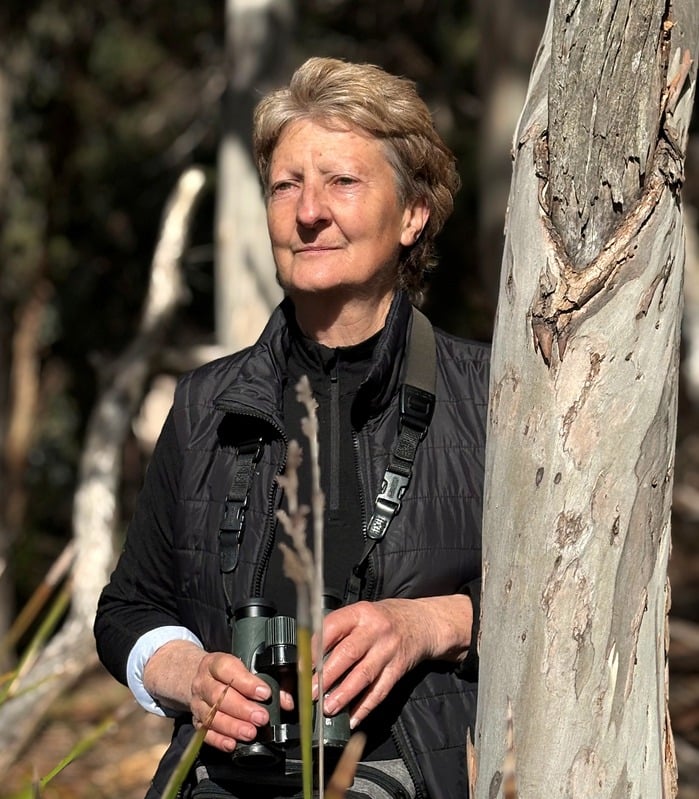
Dr. Sally Bryant
Dr Sally Bryant is a leading Tasmanian bird ecologist with extensive experience in threatened species conservation, recovery planning and wildlife management. She has worked in Tasmanian field ecology and conservation for more than three decades, with a long-standing focus on threatened birds, habitat protection and practical conservation outcomes. Sally has played a major role in the recovery planning and monitoring of several of Tasmania’s most at-risk bird species, and is widely recognised for her contribution to wildlife and land conservation in the state.
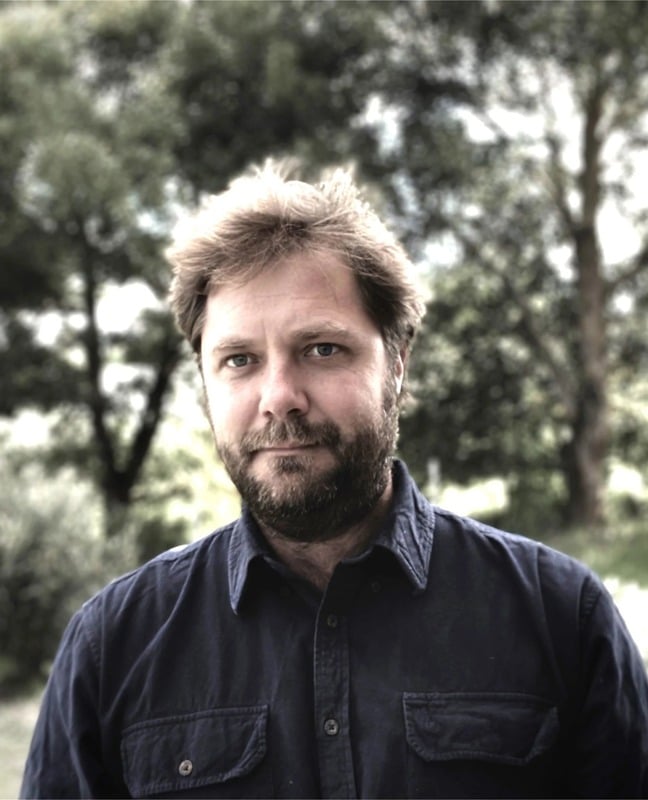
Dr. Matthew Taylor
Dr Matthew Taylor is Director and Principal Ecologist at Ecotec Environmental. An Accounting for Nature Accredited Expert, he has a PhD in Geography and Environmental Studies focused on the socio-ecology of wildlife conservation on private land. Matt brings decades of experience in ecology, biodiversity assessment, ecological monitoring, conservation planning and natural capital accounting, with a strong track record of working with landholders, Traditional Owners and regional partners to link ecological science to practical land management and conservation outcomes.
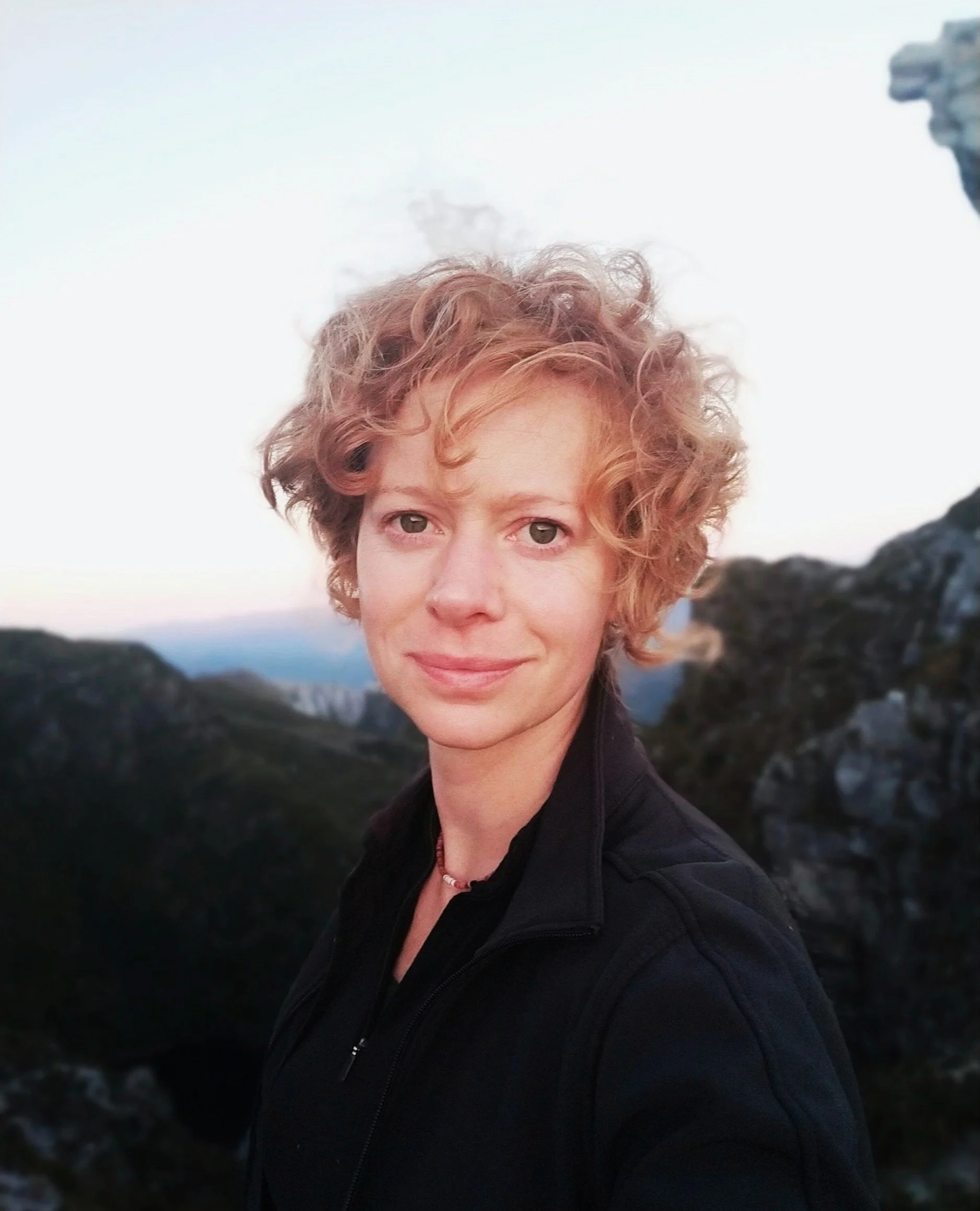
Dr. Siobhan de Little
Dr Siobhan de Little is an Environmental Analyst at Ecotec Environmental and an Accounting for Nature Accredited Expert with a PhD in Quantitative Ecology. She combines advanced statistical and ecological modelling expertise with practical environmental knowledge to deliver clear, defensible insights for biodiversity and natural capital projects. Siobhan has extensive experience in natural capital accounting, biodiversity credit frameworks and environmental markets, with a focus on method development, monitoring design and developing rigorous, practical tools that support measurable conservation outcomes.

Open Ecoacoustics is supported through a co-investment partnership with the Australian Research Data Commons (ARDC) (DOI: 10.3565/ts8c-ee10) through the Planet Research Data Commons. The ARDC is enabled by the Australian Government’s National Collaborative Research Infrastructure Strategy (NCRIS).